10 Composting Best Practices to Be An Expert
This post contains affiliate links. Clicking on these links and making a purchase supports Grades of Green at no extra cost to you. These commissions help support our mission of educating and empowering students to take action and lead environmental change. Click here to read our disclaimer on affiliate links.
Composting at School
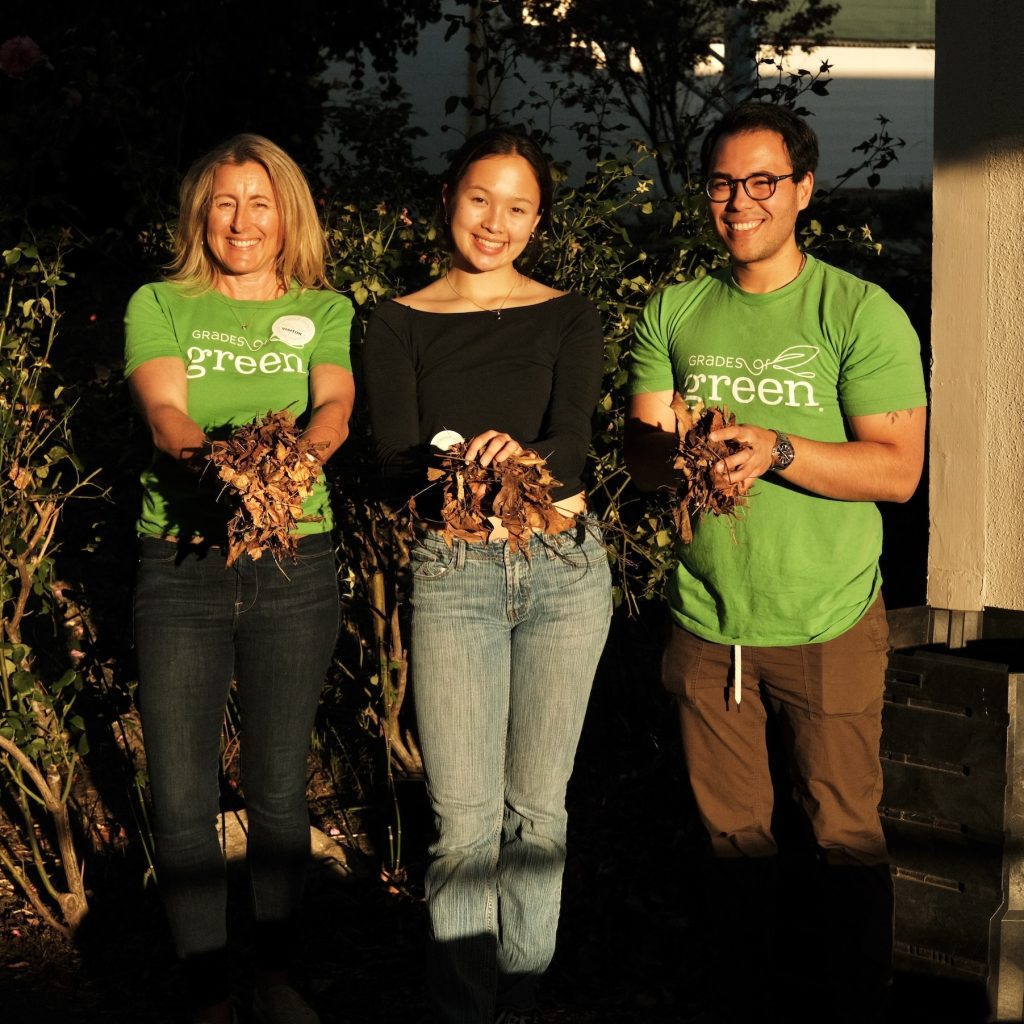
At Grades of Green, students take action in their communities by leading environmental change. One way students make a positive environmental impact is by composting at school or at home in order to divert food waste. Composting is an excellent way to reduce waste, enrich soil, and teach valuable lessons in sustainability. Whether you’re composting at school or at home, following these best practices will help towards a successful and sustainable process. Here are composting best practices to help you get started and make the most of your composting efforts.
1. Select a Good Location
Picking the right location to cultivate compost is important when getting started. It should be in an area where residue can easily drain. If you’re composting at school, pick a location where students can easily access and monitor the compost bin. When selecting a location, pick a space that gets partial sunlight to help with the decomposition process. However, be careful not to expose too much sun which can dry out the compost.
2. Use the Right Bin
There are various compost bin options! Some of the most popular include tumblers, worm bins, and simple pile systems. For beginners, a closed bin or a tumbler are an easy way to keep pests away and maintain a clean appearance. If your school produces a lot of waste, use multiple bins to handle larger volumes of food waste. If you want to compost at home, but do not have a yard, consider buying an indoor composter like the Lomi Bloom. To learn more about indoor composters, click the button below!
3. Balance Green and Brown Materials
Producing successful compost relies heavily on a balance of green (nitrogen-rich) and brown (carbon-rich) materials. Green materials include kitchen scraps, fruits, vegetables, grass clippings, and coffee grounds. Brown materials are things like leaves, straw, and unbleached cardboard. Aim for a ratio of about 2 parts brown to 1 part green to maintain a healthy compost pile. If your compost begins to smell or attracts rodents, ensure to add more browns.
4. Shred, Cut, or Chop Materials
Breaking down compost materials into smaller pieces helps speed up the decomposition process. Shred leaves, chop vegetable scraps, and break down larger pieces of cardboard into smaller, manageable sizes. Shredding materials also helps to ensure an even distribution and reduces the risk of unpleasant odors.
5. Maintain Healthy Moisture Levels
Compost needs to be moist in order to decompose properly; ensure your compost feels like a damp sponge. If the compost is too dry, it will decompose slowly. If your compost is too wet, it can become smelly and attract pests. Regularly check the moisture levels and add water or dry materials as needed.
6. Mix the Compost Regularly
Mixing your compost on a regular basis helps to aerate the pile and speeds up the decomposition process. Use a shovel or another gardening tool to mix the materials every 1-2 weeks. At school, it might be a best practice to mix the compost everytime new materials are added. This practice introduces oxygen, which is necessary for the microbes to break down the compost.
7. Avoid Adding Certain Items
Not all organic materials are suitable for composting. Avoid adding meat, dairy, oils, and pet waste, as these can attract pests and cause odor issues. Furthermore, be cautious with adding large amounts of citrus peels and onions, as they can make the compost too acidic. Following these composting best practices will help ensure that you have a successful yield.
8. Use Compost as a Teaching Tool
For schools, composting is a fantastic educational tool. Use Grades of Green’s free composting lesson to teach students or your community how to compost. Allow students to participate in every step, from collecting food scraps to turning the compost. This hands-on experience allows students to have a deep understanding of natural processes and environmental stewardship.
9. Be Patient
Composting is a natural process that takes time. Depending on the conditions and materials used, it can take several months for compost to be ready.
10. Harvest and Use the Finished Compost
Once your compost is dark, crumbly, and has an earthy smell, it’s ready to use. Use the compost to enrich garden beds, potted plants, or school gardens. The finished compost will improve soil structure, add nutrients, and support healthy plant growth.
Conclusion
Composting at home or school is a rewarding practice that contributes to waste reduction and soil health. By following these composting best practices and using Grades of Green’s free Composting at School Lesson and following these ten best practices, you can ensure a smooth and effective composting process. If you would like to compost indoors, consider looking for bins like the Lomi Composter. Using these composting best practices with students not only teaches them about sustainability but also instills a sense of responsibility towards the environment. So, grab your compost bin, start collecting those food scraps, and turn waste into a valuable resource!
